
— Weight management, redesigned
Get Thin USA
Get Thin USA: In today's fast-paced world, many Americans struggle with weight management. Busy schedules, processed foods, and sedentary lifestyles make it challenging to shed extra pounds and feel your best. If you've been searching for ways to get thin safely and sustainably, you're not alone. Millions across the country are looking for effective solutions that fit into real life without extreme diets or unrealistic promises.
Why So Many Americans Want to Get Thin
Obesity rates in the United States remain a significant public health concern. According to health authorities, carrying excess weight increases risks for conditions like type 2 diabetes, heart disease, joint problems, and low energy levels. But wanting to get thin isn't just about numbers on a scale—it's about gaining confidence, improving mobility, boosting energy, and enhancing overall quality of life.
Many people hit roadblocks with traditional methods. Calorie counting alone often fails because it doesn't address hunger hormones, metabolic factors, or the mental side of eating. This is where innovative medical approaches, combined with lifestyle changes, make a real difference for those eligible.
The Science Behind Effective Weight Loss: Understanding GLP-1 Medications
One of the biggest breakthroughs in weight management involves medications that mimic natural gut hormones, particularly GLP-1 (glucagon-like peptide-1) agonists. These treatments help regulate appetite, slow digestion, and improve blood sugar control, making it easier to eat less without feeling deprived.
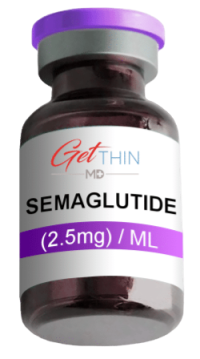
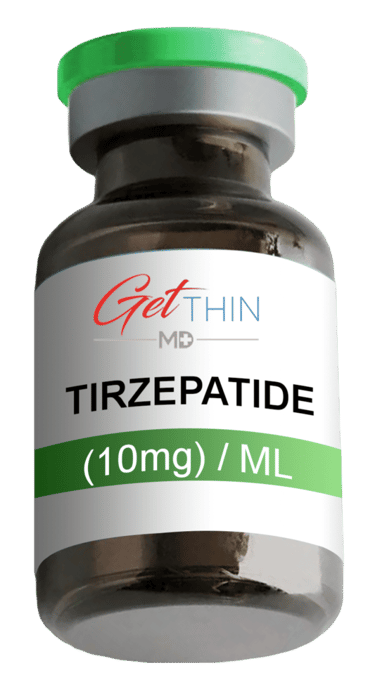
Semaglutide and tirzepatide-based options have transformed options for many adults struggling with obesity or overweight with related conditions. These aren't "magic shots" but tools that work best when paired with healthier eating and movement. Patients often report reduced cravings, feeling fuller sooner, and steadier progress compared to dieting alone.
In the USA, access has improved through telehealth platforms connecting patients with licensed providers. This means no more waiting rooms or insurance hassles for many—consultations happen online, and approved medications ship directly to your door from reputable pharmacies. Always consult qualified medical professionals to determine if these are suitable for your health profile.
How Get Thin USA Programs Work: A Step-by-Step Journey
Getting started with a structured Get Thin program is straightforward and designed for convenience. Here's how it typically unfolds for eligible individuals:
Quick Online Assessment: Answer questions about your health history, goals, and current weight. This helps providers understand your needs.
Review by Licensed Providers: U.S.-based medical professionals evaluate your information. They may recommend personalized dosing or adjustments based on your response.
Personalized Plan: If approved, you receive a tailored treatment strategy. This often includes medication (where appropriate), guidance on nutrition, and tips for incorporating activity.
Medication Delivery: Compounded or brand options arrive at your home. Flat monthly pricing models (often starting around $119–$179 depending on the specific medication) cover the essentials without surprise increases, even as doses adjust.
Ongoing Support: Regular check-ins, coaching, and access to care teams help troubleshoot plateaus, manage side effects, and celebrate wins.
This model removes many traditional barriers, making professional support accessible nationwide, from bustling cities like New York to smaller towns in Texas or California.
Real Results: Stories from Americans Who Got Thin
Success looks different for everyone, but patterns emerge. One professional in her 40s shared dropping from 205 to 150 pounds over several months, regaining the ability to walk without pain and feeling years younger. Another mentioned losing 30 pounds while managing plateaus effectively with provider guidance. Many highlight reduced cravings as a game-changer—no more constant snacking or emotional eating.
These aren't overnight transformations. Sustainable loss often averages 1-2 pounds per week initially, with some seeing quicker starts in the first month (reports of 9+ pounds aren't uncommon when combined with lifestyle tweaks). The key? Consistency and medical oversight.
Building Habits That Support Getting Thin for Life
Medications or programs provide a strong foundation, but lasting thinness comes from habits. Here's how to maximize results:
Nutrition Strategies That Work
Prioritize protein-rich foods like lean meats, eggs, fish, Greek yogurt, and legumes. Protein preserves muscle and keeps you satisfied longer.
Load up on non-starchy vegetables and fiber sources (broccoli, spinach, berries, beans). These add volume without many calories.
Choose whole foods over ultra-processed items. Swap sugary drinks for water or herbal tea.
Practice mindful eating: Slow down, chew thoroughly, and stop when comfortably full.
Movement Made Simple You don't need a gym membership to start. Walking 30 minutes daily burns calories and improves mood. Add strength training 2-3 times weekly to build metabolism-boosting muscle. Activities like swimming, cycling, or hiking suit many lifestyles and are joint-friendly as weight decreases.
Sleep and Stress Management Poor sleep disrupts hunger hormones (ghrelin and leptin), leading to more cravings. Aim for 7-9 hours nightly. Techniques like meditation, deep breathing, or short walks help manage cortisol, which can promote belly fat storage.
Tracking Progress Beyond the Scale Measure waist circumference, note energy levels, clothing fit, and how you feel. Photos and non-scale victories keep motivation high during slower weeks.
Common Challenges When Trying to Get Thin and How to Overcome Them
Plateaus: Normal as your body adjusts. Solutions include tweaking calories slightly, changing workout routines, or provider-guided dose adjustments.
Side Effects: Nausea or digestive changes can occur with GLP-1 meds. Starting low and slow, staying hydrated, and eating smaller meals often helps. Report concerns promptly to your care team.
Sustainability: Focus on "forever" changes, not temporary restrictions. Allow occasional treats in moderation to avoid burnout.
Access and Cost: Telehealth options have made care more affordable and private. Look for transparent pricing with no hidden fees or contracts.
Comparing Options: What Makes Get Thin USA Stand Out?
In a crowded market of supplements, fad diets, and clinics, programs emphasizing medical supervision, fixed pricing, and comprehensive support differentiate themselves. No insurance barriers, direct shipping, and ongoing coaching help people stay consistent. Many appreciate the ability to switch or adjust medications under provider guidance if one option suits better.
Always verify that any provider follows FDA guidelines, uses licensed pharmacies, and offers clear safety information. Compounded medications, while useful during shortages, aren't FDA-approved in the same way as brand names, so professional oversight is essential.
Nutrition Deep Dive: Meal Ideas for Getting Thin
Breakfast: Greek yogurt with berries and a sprinkle of nuts, or scrambled eggs with spinach and turkey sausage.
Lunch: Grilled chicken salad with mixed greens, avocado, cucumber, and olive oil dressing. Or a veggie-packed stir-fry with tofu.
Dinner: Baked salmon, quinoa, and roasted Brussels sprouts. Keep portions balanced.
Snacks: Apple with almond butter, carrot sticks with hummus, or a protein shake.
Hydration matters—aim for half your body weight in ounces of water daily. It supports metabolism and reduces false hunger.
Exercise Plans for All Levels
Beginner: Daily walks + bodyweight exercises (squats, push-ups against a wall).
Intermediate: Add resistance bands or weights. Try HIIT sessions 2x/week for efficient fat burn.
Advanced: Incorporate progressive overload in strength training and mix in yoga for recovery and flexibility.
Remember, consistency beats intensity. Even 150 minutes of moderate activity weekly yields huge benefits.
Mental and Emotional Aspects of Weight Loss
Getting thin involves mindset. Practice self-compassion—setbacks happen. Celebrate non-scale victories. Build a support system, whether friends, family, or online communities of others on similar journeys.
Cognitive behavioral techniques help reframe thoughts about food and body image. Many find journaling or apps useful for tracking patterns.
Long-Term Maintenance: Keeping the Weight Off
Once you reach your goal, transition to maintenance by gradually adjusting calories and monitoring habits. Regular check-ins with providers can prevent regain. Many discover the habits formed during their Get Thin journey become second nature.
Focus on health markers like blood pressure, cholesterol, and energy rather than just weight. This holistic view sustains motivation.
Safety First: Important Considerations
Weight loss medications aren't for everyone. Contraindications include certain thyroid conditions, pregnancy, or history of pancreatitis. Full medical history review is crucial. Work only with licensed U.S. providers and report side effects immediately. Combine any medical approach with lifestyle changes for best outcomes.
Getting Started Today in the USA
If you're ready to get thin and transform your health, the process begins with a simple evaluation. Nationwide availability means help is accessible whether you're in Florida, Illinois, Washington, or anywhere in between. Take that first step by exploring qualified telehealth options that prioritize your safety and results.
Sustainable weight loss combines the best of modern medicine with timeless principles of nutrition, movement, and consistency. Thousands of Americans have achieved meaningful transformations—improved confidence, better health, and renewed vitality.